April 7, 2026
Septic systems are a critical yet often overlooked part of home infrastructure, especially in areas without access to municipal sewer lines. When properly maintained, these systems quietly manage wastewater for decades, but neglect can quickly lead to expensive and disruptive problems. Regular inspections and septic pumping play a central role in keeping everything functioning as intended. By staying proactive, we protect our property, our health, and the surrounding environment.
1. Understand How Septic Systems Operate
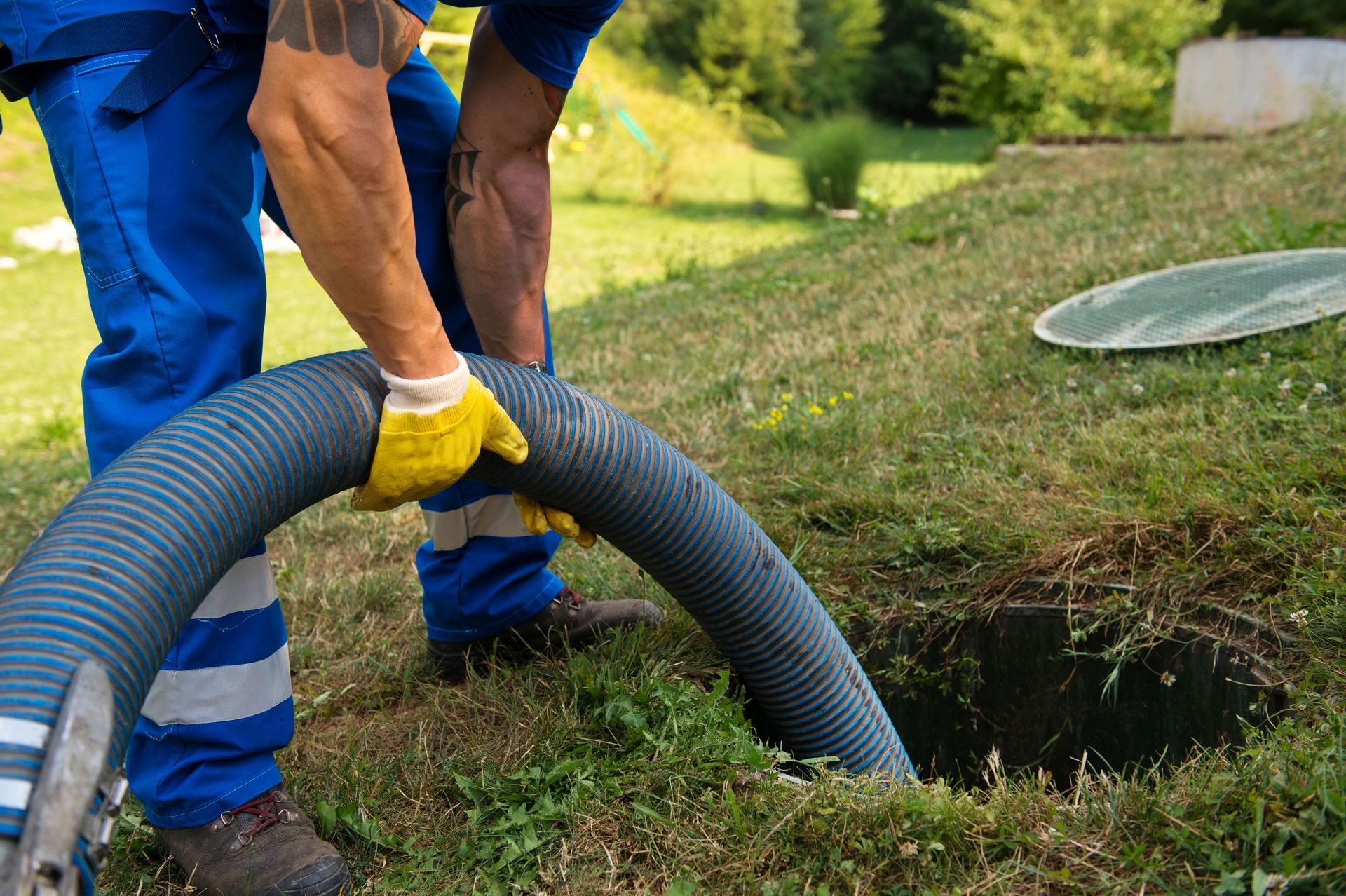
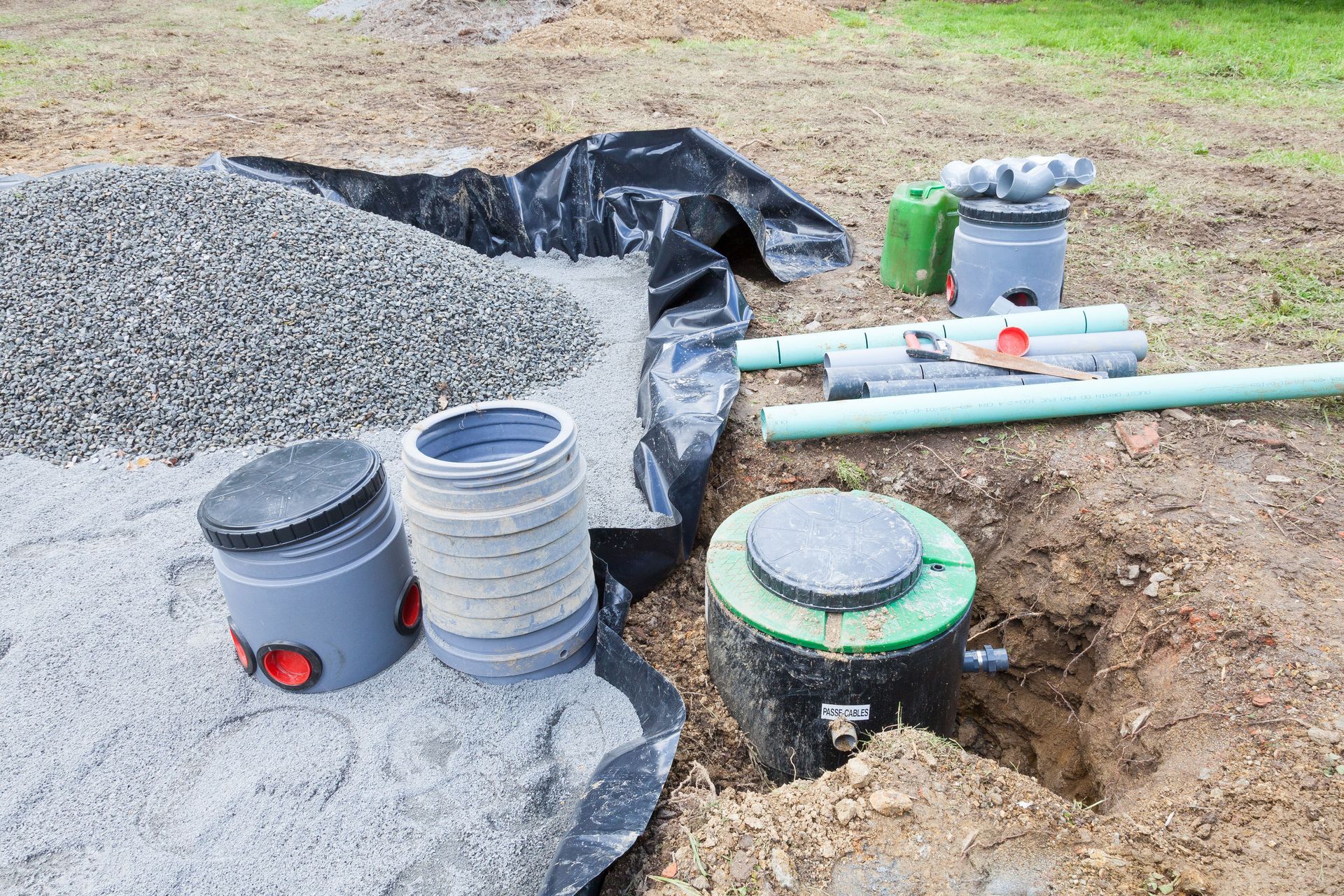
A septic system is an underground wastewater treatment structure designed to process household waste safely and efficiently. It typically includes a septic tank and a drain field, working together to separate solids and filter water back into the soil. Wastewater enters the tank, where solids settle, and oils rise, allowing partially treated water to move into the drain field. This natural process depends on balance, which is why consistent monitoring is essential. The system relies heavily on bacteria to break down waste and prevent buildup. Over time, sludge and scum accumulate, reducing the tank’s capacity and efficiency. Without intervention, these layers can overflow into the drain field, causing long-term damage. Routine septic pumping ensures these materials are removed before they create larger issues. According to This Old House, a two- to three-bedroom house typically requires a septic tank with at least a 1,000-gallon capacity. This baseline highlights how system size directly impacts performance and maintenance frequency. Understanding these fundamentals allows us to make informed decisions about inspections and service schedules. Different system types, including conventional and alternative designs, may require slightly different care approaches. Soil conditions, water tables, and household size all influence system selection and longevity. Regardless of system type, regular evaluations and septic pumping remain non-negotiable for optimal performance. A well-maintained system can last decades, while a neglected one can fail prematurely.
2. Prevent Costly System Failures Early
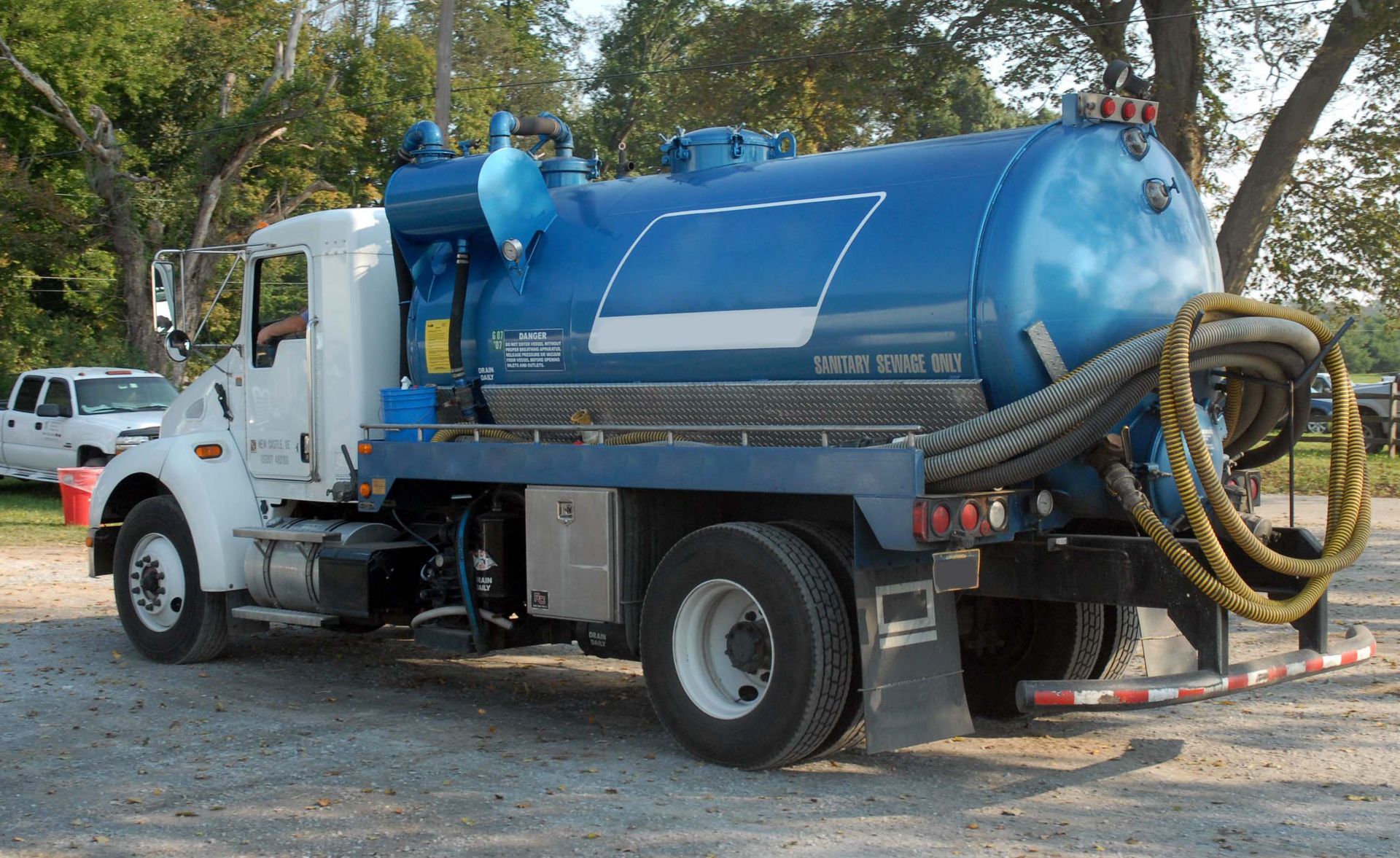
Routine inspections are the first line of defense against system failure. Small issues such as minor leaks or developing clogs can quickly escalate if left unaddressed. By identifying these problems early, we avoid emergency repairs that can disrupt daily life and strain finances. Septic pumping during scheduled maintenance helps prevent these issues from forming in the first place. A full or overloaded tank is one of the most common causes of failure. When sludge levels rise too high, wastewater has nowhere to go but back into the home or out into the yard. This creates unsanitary conditions and potential structural damage. Preventative septic pumping ensures the tank maintains enough capacity to function correctly. Inspections also evaluate critical components like baffles, pipes, and the drain field. If any of these fail, the entire system can become compromised. Addressing wear and tear early extends the life of the system and reduces long-term costs. Consistent service helps us stay ahead of these risks rather than reacting to them. By investing in preventative care, we gain predictability and peace of mind. Emergency repairs are often far more expensive than routine maintenance. Staying proactive allows us to manage costs effectively while protecting our home. This approach ultimately preserves both functionality and value.
3. Protect Environmental And Public Health
A properly functioning septic system plays a vital role in environmental protection. It filters wastewater before it reenters the soil, preventing harmful contaminants from reaching groundwater. When systems fail, untreated sewage can pollute nearby water sources. Regular inspections help ensure this filtration process remains effective. Contaminated water can impact not only the immediate property but also neighboring areas. Bacteria, viruses, and excess nutrients can disrupt ecosystems and pose health risks. By maintaining our system, we contribute to broader environmental responsibility. This is particularly important in areas with dense residential development. Septic systems also support public health by safely managing household waste. When functioning correctly, they prevent exposure to harmful pathogens. However, failure can lead to unpleasant odors, unsanitary conditions, and potential illness. Routine maintenance significantly reduces these risks. Environmental compliance is another key consideration. Local regulations often require regular inspections to prevent contamination. Staying compliant avoids fines and ensures our system meets safety standards. It also reinforces responsible homeownership within the community.
4. Identify Warning Signs Before They Escalate
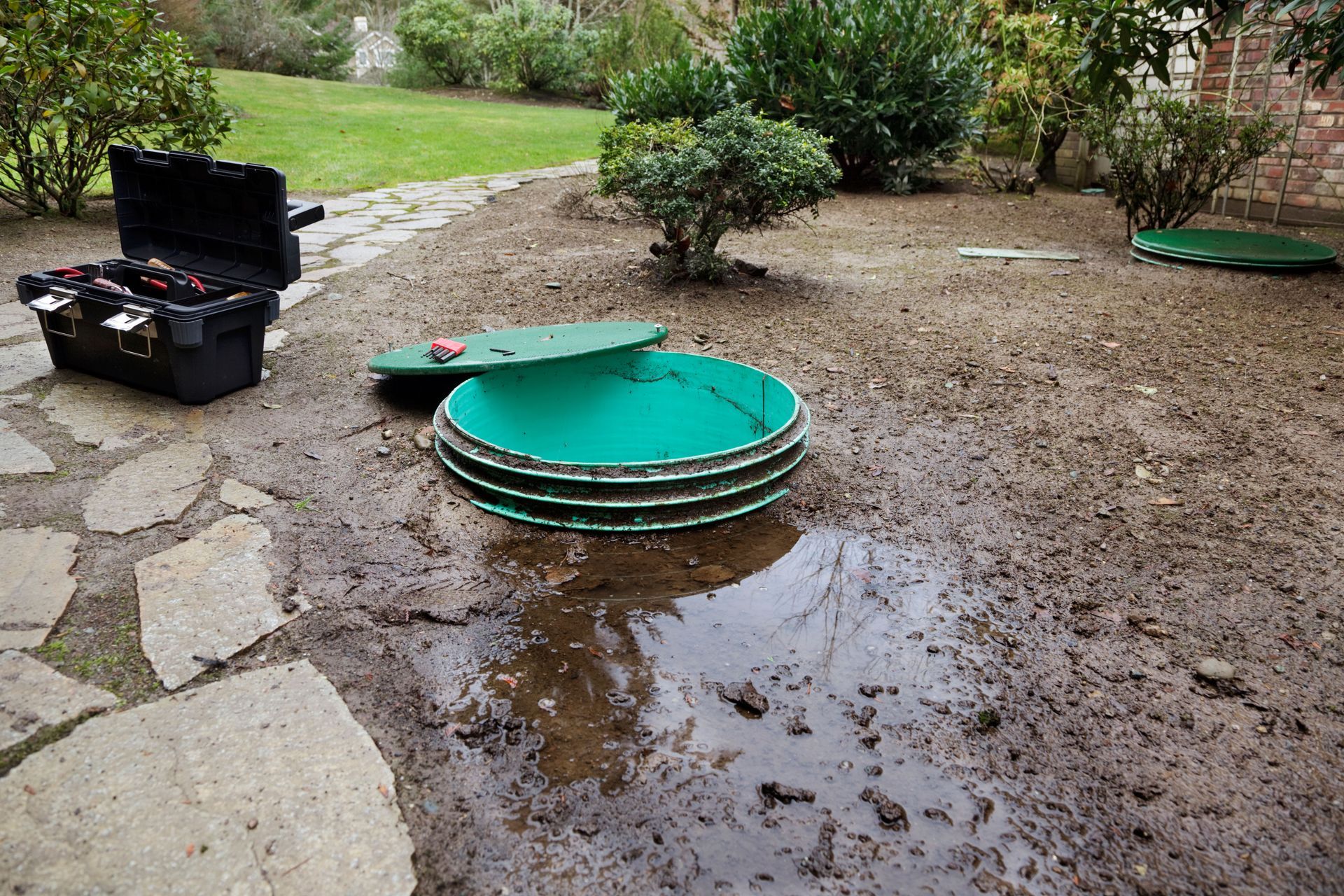
Recognizing early warning signs can prevent major system failures. Foul odors coming from drains or outdoor areas often indicate that waste is not being properly contained. This is usually a sign that the tank is full or the system is struggling. Prompt septic pumping can resolve the issue before it worsens. Slow drains throughout the home are another common indicator. When multiple fixtures drain slowly, it often points to a system-wide problem rather than a simple clog. Ignoring this can lead to backups and significant damage. Addressing it early keeps the system functioning smoothly. Unusually green or lush grass over the drain field may seem harmless, but can signal excess moisture. This often means wastewater is surfacing instead of being properly absorbed. It’s a clear sign that the system needs professional attention. Regular inspections help catch these issues before they become visible. Pooling water or sewage backups are more severe warning signs. These indicate that the system is already failing and requires immediate service. Delaying action can result in extensive property damage and health hazards. Staying attentive to these signs allows us to act quickly and minimize impact.
5. Understand What Happens During Inspections
A professional septic inspection is a detailed process designed to evaluate the entire system. Inspectors measure sludge and scum levels to determine whether septic pumping is needed. They also check for leaks, cracks, and structural integrity. This comprehensive approach ensures no issue goes unnoticed. Advanced tools such as cameras and probes may be used to inspect underground components. These tools allow professionals to assess pipes and connections without excavation. Dye tests and water flow evaluations help determine how well the drain field is functioning. This level of detail provides a clear picture of system health. Inspectors also review maintenance history and usage patterns. This context helps identify trends that may impact performance. For example, increased water usage can accelerate sludge buildup. Understanding these factors allows for more accurate recommendations. After the inspection, we receive a report outlining findings and next steps. This may include immediate actions or long-term maintenance strategies. Following these recommendations ensures the system remains efficient and compliant. It also helps us plan future service with confidence.
6. Maximize Long-Term Value And Savings
Regular maintenance is one of the most cost-effective strategies for septic system care. While inspections involve upfront costs, they prevent far more expensive repairs. A neglected system can require full replacement, which can be a significant financial burden. Preventive care keeps expenses predictable and manageable. A well-maintained system also enhances property value. Buyers are more confident in homes with documented maintenance history. This can make a significant difference during resale. It demonstrates responsible ownership and reduces perceived risk.Long-term savings extend beyond repairs and resale value. Efficient systems reduce the likelihood of water waste and operational inefficiencies. This contributes to lower utility costs over time. Maintenance is not just a necessity; it’s a smart investment. Neglect, on the other hand, can lead to cascading issues. Structural damage, environmental cleanup, and legal penalties can quickly add up. These risks far outweigh the cost of routine service. Staying proactive ensures we avoid these unnecessary expenses.
7. Choose The Right Septic Service Partner
Selecting a qualified service provider is essential for effective maintenance. Experience, certification, and reputation should all factor into the decision. A knowledgeable provider understands different system types and can tailor recommendations accordingly. This ensures accurate assessments and reliable service. Researching local providers helps us find professionals familiar with regional conditions. Soil composition, climate, and regulations can all impact system performance. Working with a local expert ensures these factors are considered. It also provides access to timely service when needed. Asking the right questions can help narrow down options. We should inquire about inspection processes, pricing, and service timelines. Transparency is a strong indicator of professionalism. It also helps us avoid unexpected costs.
Regular septic inspections are essential for maintaining system performance, protecting property value, and ensuring environmental safety. By prioritizing routine care, including septic pumping, we avoid costly repairs and extend the lifespan of our system. Proactive maintenance also supports compliance and promotes healthier living conditions. For dependable service and expert support, contact Peninsula Septic Service Inc today and take the next step toward long-term system reliability.