February 6, 2026
Heavy rain can create a variety of challenges for homeowners, but one of the most overlooked areas of concern is the septic system. When rainwater saturates the soil around your tank and drainfield, it can interfere with how efficiently your system processes wastewater, sometimes leading to backups, foul odors, slow drains, or even complete system failure. Because septic systems rely on natural soil absorption, anything that disrupts the balance of water and waste can impact performance. Homeowners often don’t realize the effect that prolonged storms or excessive rainfall can have until a problem becomes noticeable. Knowing how weather conditions influence septic efficiency—and when to call a septic pumping business—can help you stay ahead of costly repairs and keep your system operating properly. According to This Old House, a septic tank usually lasts between 15 and 40 years, depending on the material, maintenance, and soil conditions, which makes proactive care especially important.
Understanding How a Septic System Works
Your septic system is designed to naturally filter and break down wastewater using a combination of gravity, bacteria, and soil absorption. Wastewater flows from your home into the septic tank, where solids settle at the bottom, fats and grease rise to the top, and partially treated water flows into the drainfield. From there, the surrounding soil filters out remaining contaminants before the water re-enters the ground. This process works efficiently under normal conditions, but heavy rain can quickly overwhelm the soil’s ability to absorb wastewater.
When soil becomes saturated, drainage slows down significantly. The drainfield may have difficulty dispersing the water, causing treated wastewater to linger longer than it should. This backup of water can create pressure within the system, making it harder for new wastewater to enter the drainfield. Over time, this can lead to standing water, backups inside the home, or even damage to the system itself. Understanding how each component relies on proper soil conditions makes it easier to recognize why rainfall poses such a risk.
The Impact of Soil Saturation on Drainfield Performance
The drainfield is the part of your septic system most vulnerable to heavy rainfall. Its primary function is to absorb and treat wastewater after it leaves the tank. When rainwater saturates the soil, absorption slows dramatically or stops altogether. This means the drainfield cannot keep up with the volume of water entering the system, causing a bottleneck effect that impacts the entire wastewater flow.
Saturated soil also prevents oxygen from reaching the drainfield. Oxygen is a key component in the natural bacterial process that breaks down contaminants in wastewater. Without enough oxygen, these beneficial bacteria struggle to function effectively, reducing the system’s ability to filter water. This slows treatment even further and can create an environment where harmful bacteria thrive. Maintaining proper drainage and soil conditions is essential to keeping your septic system healthy, especially during periods of heavy rainfall.
Signs Your Septic System Is Overwhelmed After Heavy Rain
When a septic system is stressed by excessive rainwater, it often shows early warning signs. Slow drains throughout the house can indicate that water is not moving through the system as quickly as it should. Toilets may take longer to flush, or you may hear gurgling sounds coming from plumbing fixtures. These symptoms suggest that wastewater is not able to travel freely through the tank and into the drainfield.
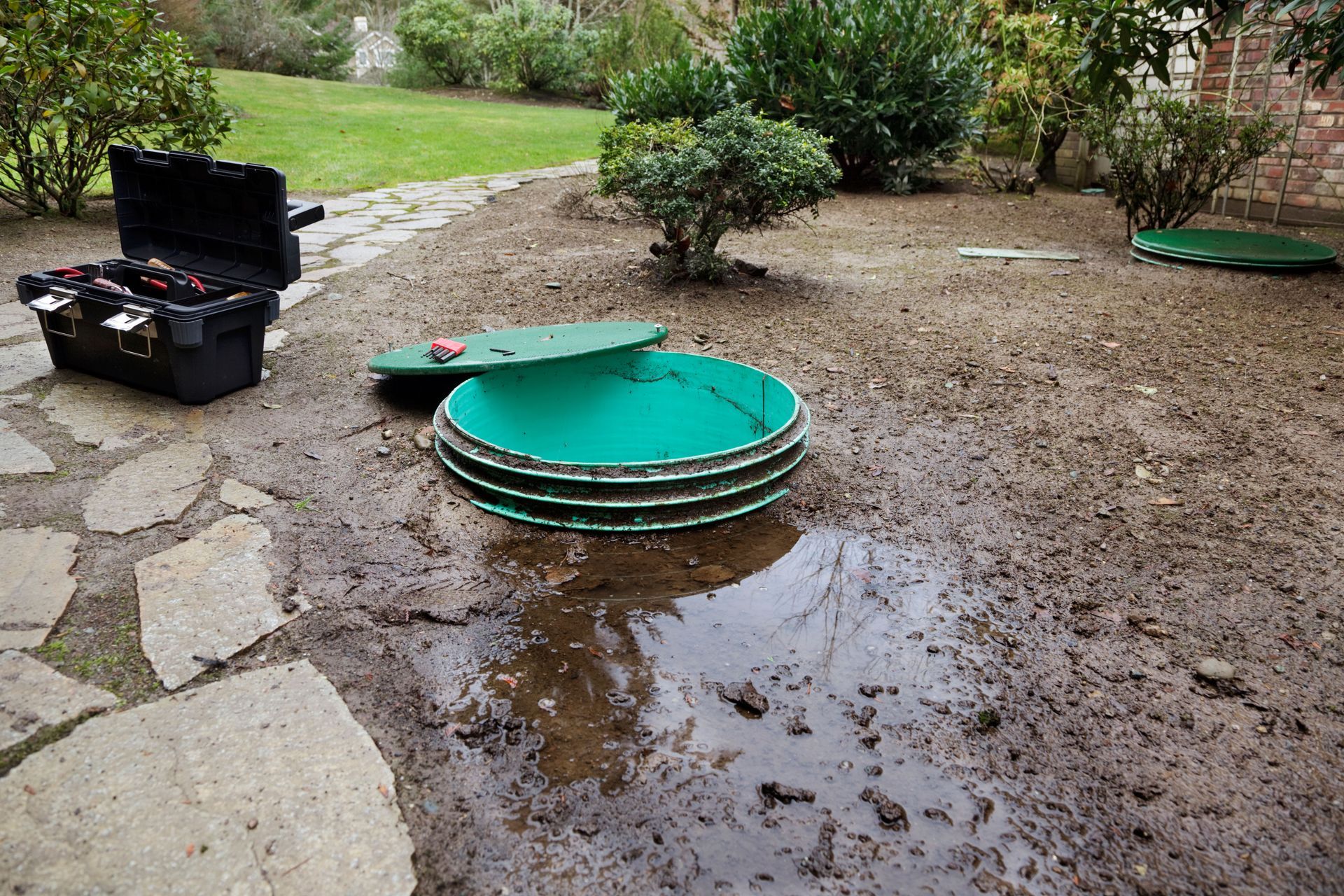
Outdoor indicators can also alert you to potential issues. Puddles or standing water near the drainfield, unusually green grass, or foul odors around the yard can signal that wastewater is surfacing instead of being absorbed properly. In severe cases, sewage may back up into lower-level drains inside the home. When these signs appear, it is crucial to contact a septic pumping business promptly to evaluate the situation and prevent further damage.
How Heavy Rain Can Shorten the Life of Your Septic System
While a septic system is built to handle daily wastewater needs, repeated or prolonged exposure to saturated soil can shorten its lifespan. Heavy rain stresses the system by forcing components to work harder than usual and preventing the drainfield from functioning efficiently. Over time, saturated soil can compact, reducing its ability to absorb water even after the rain stops. This permanent change in soil structure may require expensive repairs or complete drainfield replacement.
Because a septic tank typically lasts between 15 and 40 years depending on its material and maintenance, maximizing its longevity should be a priority for homeowners. Heavy rainfall alone does not destroy a septic system, but ignoring the issues that arise from poor drainage can accelerate wear and tear. Regular maintenance, proper pumping schedules, and timely inspections help ensure your system remains healthy and capable of withstanding adverse weather conditions.
The Role of Proper Maintenance in Preventing Rain-Related Issues
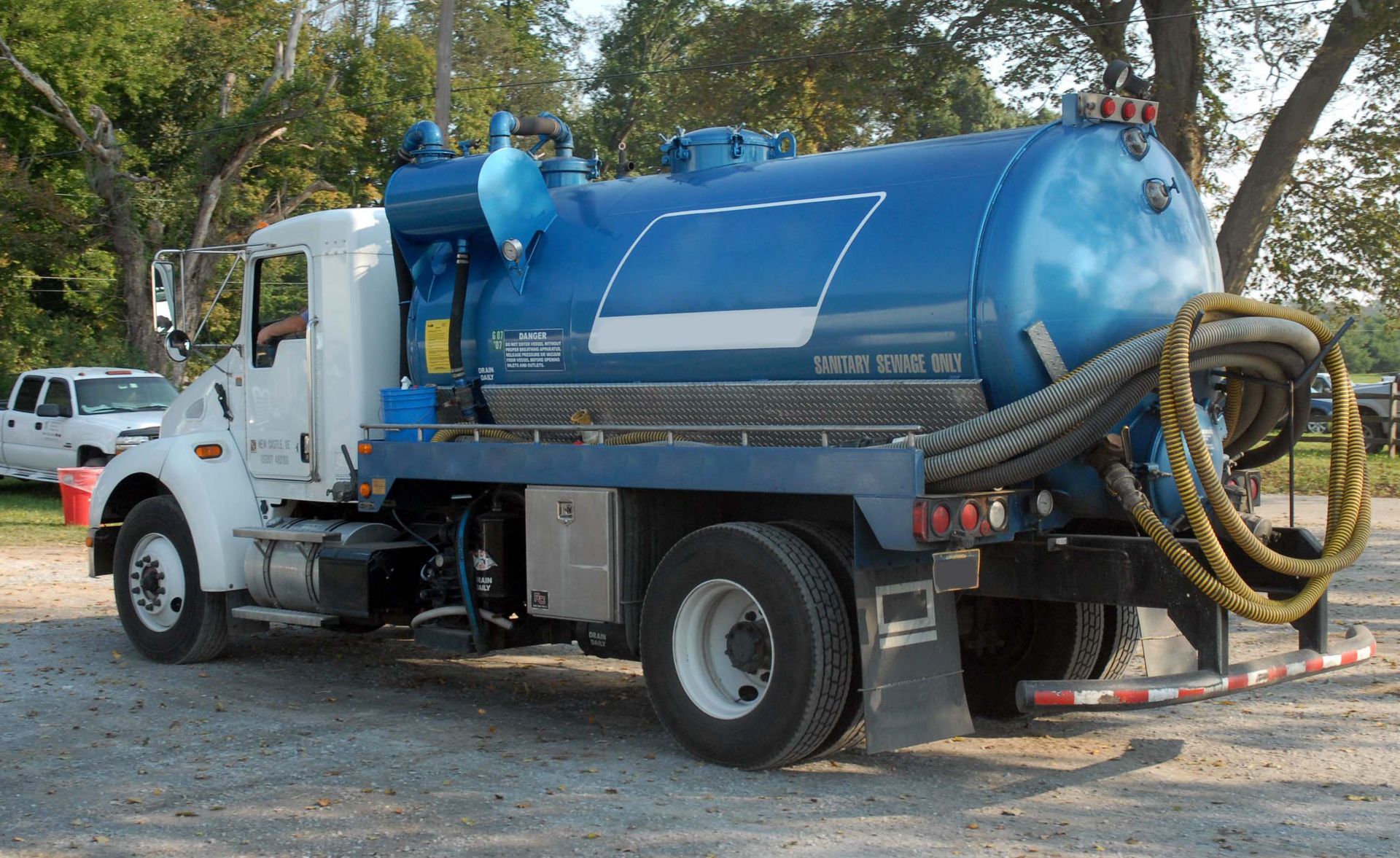
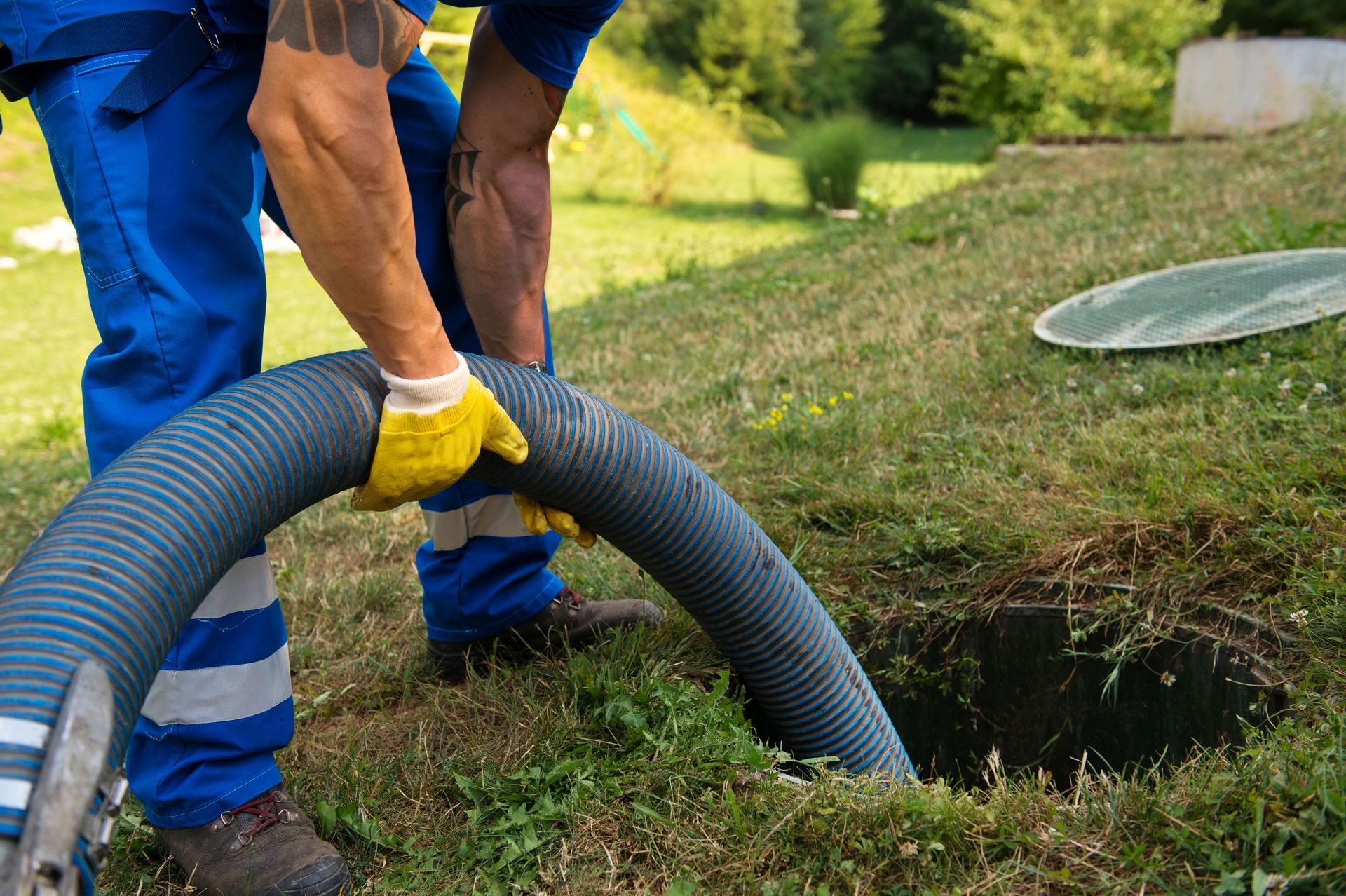
Routine maintenance is one of the most effective ways to protect your septic system during heavy rain. Regular pumping prevents solids from accumulating to the point where they interfere with normal wastewater flow. When the tank is too full, any additional stress—such as saturated soil—can lead to backups or overflow. A septic pumping business can assess the tank, remove excess waste, and ensure that the system is functioning at its best before storms strike.
Inspections are equally important. A trained professional can identify early signs of drainfield stress, tank damage, or clogged lines. Identifying these problems before heavy rain arrives helps prevent emergencies. Additionally, maintaining records of pumping, repairs, and inspections helps you stay organized and aware of how well your system is performing over time.
Improving Drainage Around Your Septic System
Poor drainage can worsen the effects of heavy rainfall. If water naturally pools near your septic tank or drainfield, it increases the likelihood that the system will become overwhelmed during storms. Improving drainage around your property is an effective way to reduce this risk. Simple solutions include diverting gutter downspouts, grading the landscape to direct water away from the system, and installing French drains if needed.
Landscaping choices also matter. Deep-rooted plants can damage drainfield pipes, while shallow-rooted vegetation helps stabilize soil without interfering with system components. Ensuring that the area above the drainfield is free of heavy objects, such as vehicles or storage sheds, prevents soil compaction that worsens saturation issues. Combining good landscaping practices with improved grading helps maintain proper soil absorption year-round.
How Excess Water Affects Bacterial Balance in the Tank
A healthy septic system relies on a delicate balance of bacteria to break down solid waste. Heavy rain can disrupt this balance by diluting the wastewater inside the tank. When too much water enters the system at once—especially from sources like roof drains or sump pumps—the bacteria may not have enough time to break down solids effectively. This can cause solids to remain suspended in the wastewater, increasing the risk of blockages or forcing them into the drainfield.
Additionally, excessive water movement may stir up sediment that normally settles at the bottom of the tank. When this sediment flows into the drainfield, it can clog soil pores and reduce absorption capacity. Avoiding unnecessary water usage during storms, such as running large loads of laundry or taking long showers, helps minimize stress on the system and preserves the bacterial environment needed for proper treatment.
Heavy rain can place tremendous stress on your septic system, and understanding how weather conditions affect performance is key to preventing expensive repairs. Monitoring your system, maintaining proper drainage, and scheduling regular service helps you stay ahead of potential problems. When you need expert care, Peninsula Septic Service Inc is ready to help keep your system functioning at its best. Contact them today for professional maintenance, inspections, or pumping services to protect your home and extend the life of your septic system.