January 11, 2026
A well-maintained septic system is essential not only for protecting your home but also for safeguarding the environment and public health. Neglecting proper care can lead to costly repairs, system failures, and even contamination of local groundwater. Unfortunately, many homeowners overlook routine maintenance, thinking septic systems operate indefinitely without intervention. In reality, simple, consistent upkeep can prevent serious problems, extend the life of your system, and save thousands of dollars in emergency repairs.
From proper waste disposal and household water management to protecting your drainfield and landscaping considerations, here, you'll find actionable insights from a septic pumping company to ensure your septic system functions efficiently for years to come. By understanding the ins and outs of septic care, you can avoid unexpected headaches and protect one of your home's most important investments.
Understanding Your Septic System
Components of a Septic System
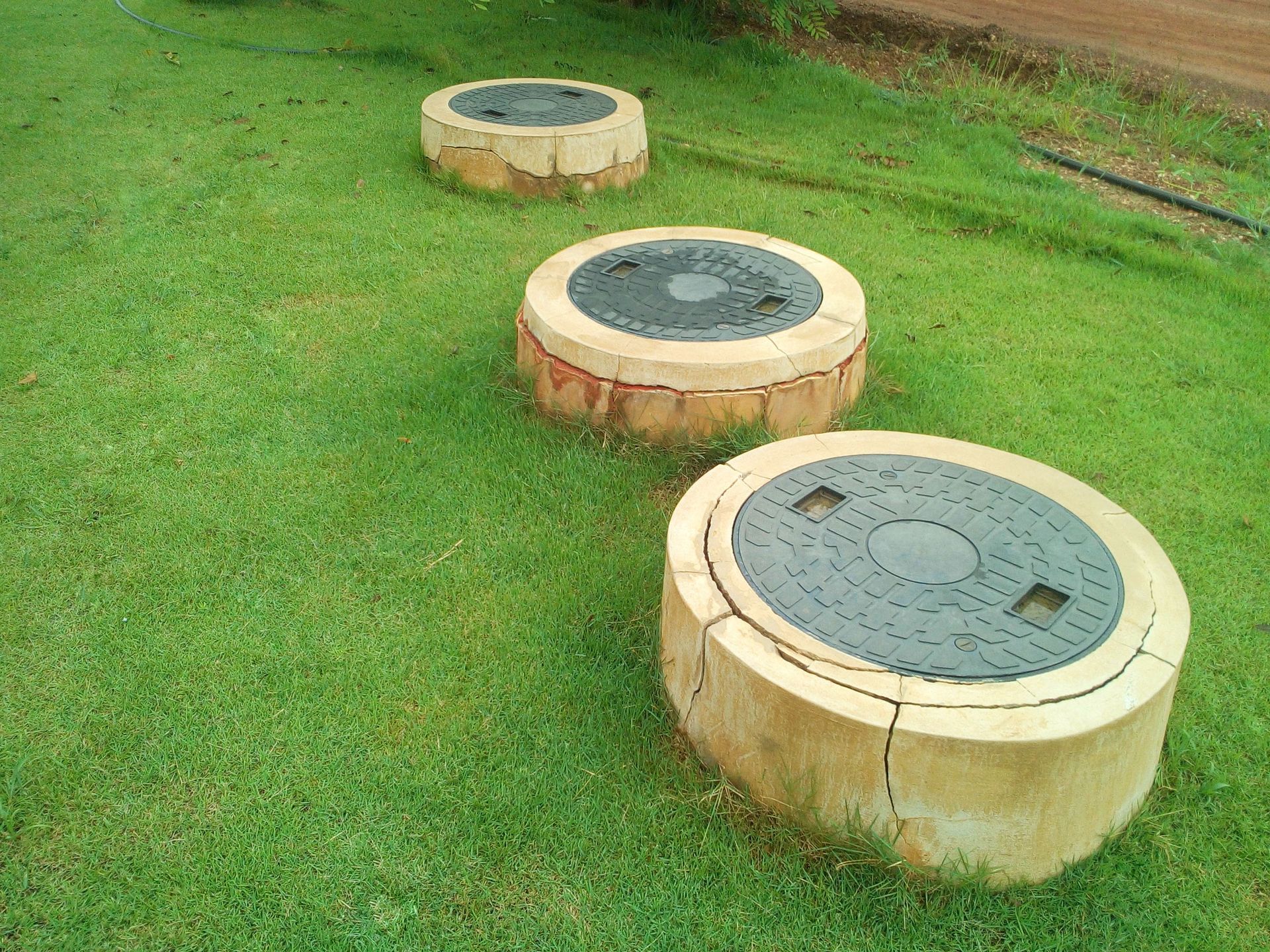
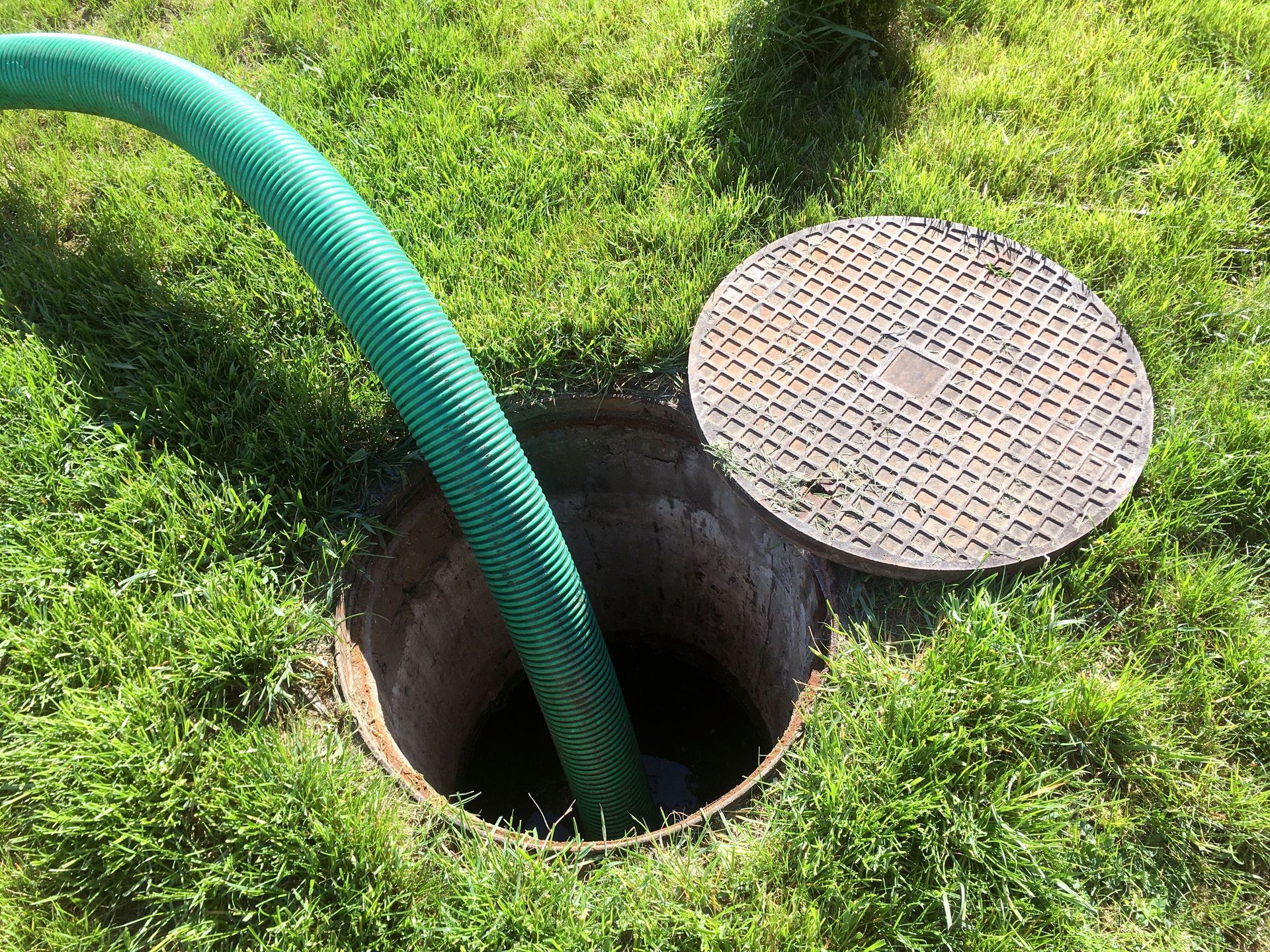
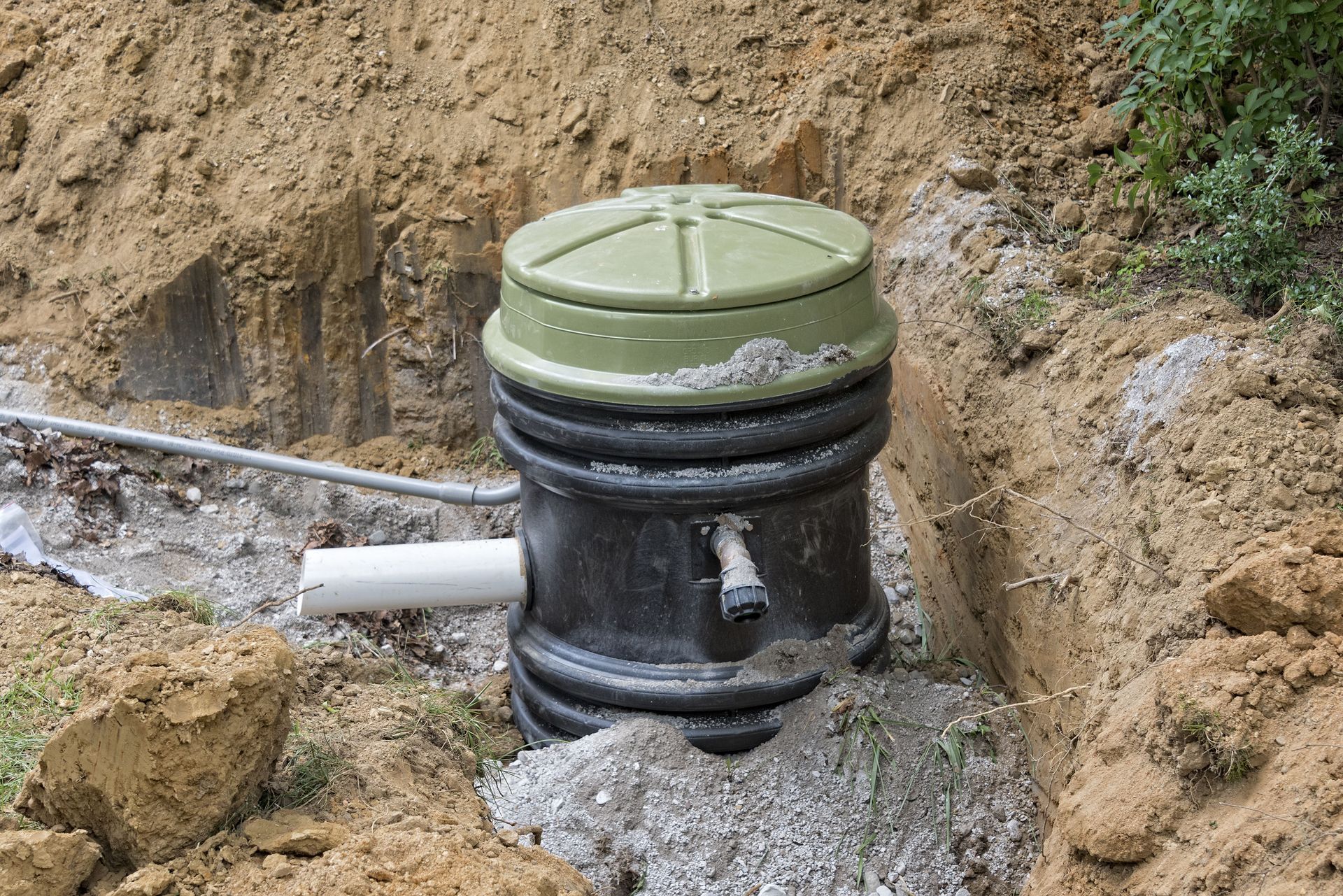
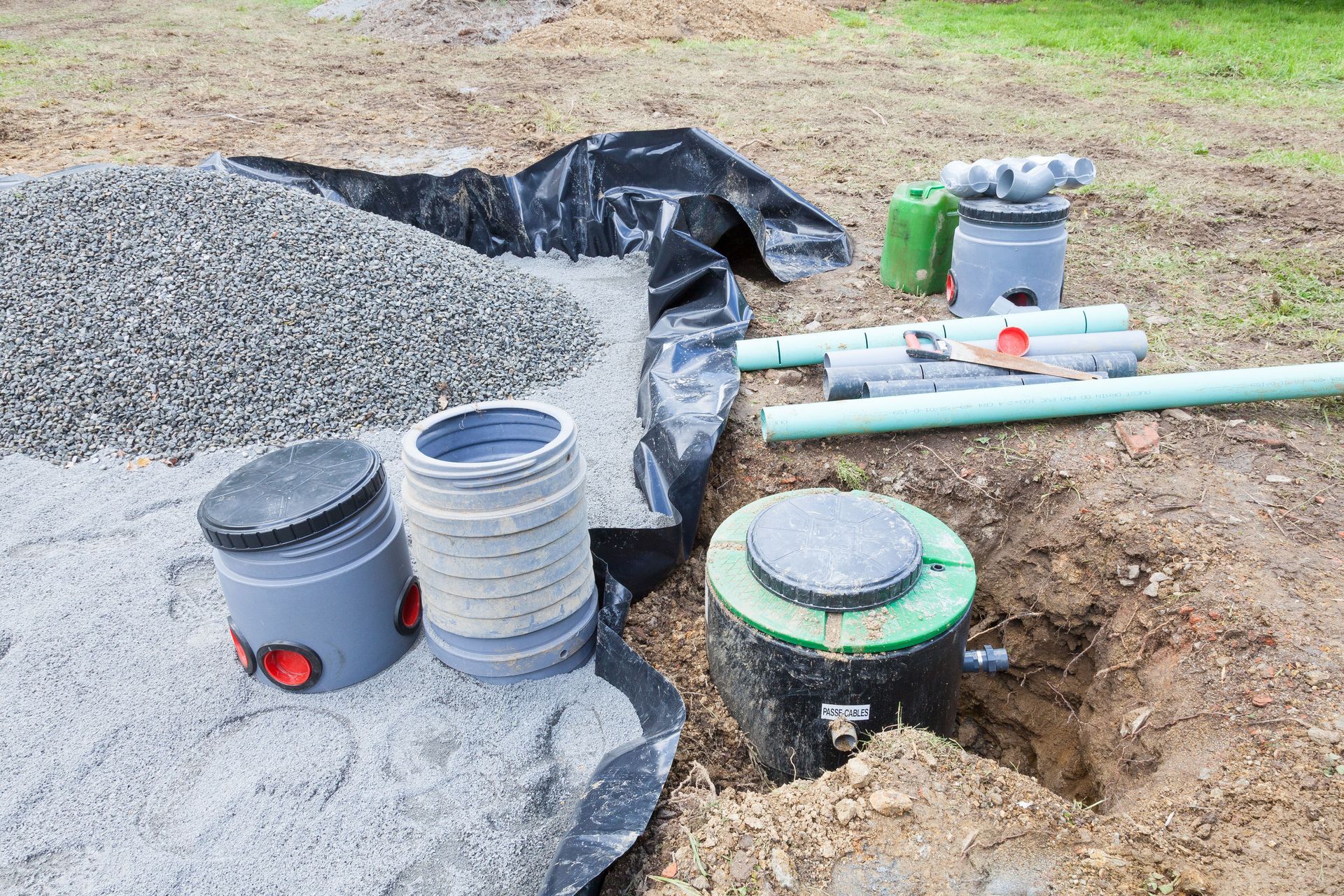
A septic system consists of a septic tank and a drainfield, each playing a crucial role in wastewater management. The septic tank is a buried, watertight container, typically made of concrete, fiberglass, or polyethylene. It holds wastewater long enough for solids to settle to the bottom, forming sludge, while oils and grease float to the top, resulting in scum. Periodically, these solids need removal to keep the system running smoothly. Understanding these components helps in diagnosing and preventing potential issues early.
How a Septic System Works
The septic system works by channeling wastewater from the home into the tank, where it undergoes a separation process. Bacteria in the tank break down organic matter, contributing to its efficiency. Following this process, the liquid wastewater, now called effluent, exits the tank and enters the drainfield for final treatment. The soil in the drainfield naturally filters this effluent, removing harmful bacteria, viruses, and nutrients. Maintaining bacterial health within the tank is vital for a fully functioning septic system.
The Role of Bacteria in Septic Systems
Bacteria are essential for the proper functioning of septic systems as they digest organic waste. A balanced bacterial ecosystem reduces sludge buildup and helps in the decomposition of waste. When harmful chemicals or antibacterial products are used too frequently, they can disrupt this balance, leading to system inefficiencies and potential backups. Encouraging bacterial growth through moderating chemical use and sometimes introducing septic-safe additives can optimize system function. Proper bacterial balance ensures the septic system operates at its peak efficiency.
Signs of Septic System Failure
Signs of septic system failure can include unpleasant odors, slow drains, and standing water around the drainfield. If not addressed by a septic pumping company, these can escalate into more severe problems, including backups into the home or complete system failure. Early detection and intervention are key to solving issues before significant damage occurs. Regular observation and inspections carried out by a professional septic pumping company can help identify problems early. Acting promptly on these signs can prevent expensive repairs or replacements.
Common Misconceptions about Septic Systems
A common misconception is that septic systems are maintenance-free, when in reality, routine pumping and inspections are necessary. Many believe chemical additives are a substitute for pumping; however, such additives cannot replace physical removal of sludge. Over time, even with bacterial activity, solids must be pumped to maintain efficiency and avoid overflow. According to the EPA, you should have a septic pumping company pump your septic tank every three to five years to prevent system overload. Understanding these misconceptions is crucial for effective septic system management.
Regular Maintenance Practices
Establishing a Maintenance Schedule
Creating a regular maintenance schedule can significantly enhance the lifespan of your septic system. It's crucial to keep a record of past maintenance activities, including the dates of inspections and pumping, to adhere to a structured plan. This proactive approach helps in avoiding unexpected issues and ensures the system functions efficiently. Factors like household size and septic tank capacity influence the frequency of needed maintenance. Collaborating with a septic pumping company can help in setting an appropriate schedule for your specific system.
Inspecting and Pumping the Septic Tank
Regular inspections are vital for identifying potential issues before they develop into costly repairs. This schedule can vary based on the tank size and household waste production. Routine inspections and pumping prevent solids from overflowing and clogging the drainfield. Consistent attention to these tasks can significantly extend the septic system's lifespan.
Managing Household Water Use
Careful management of water use in a household helps prevent septic system overload and failure. Installing water-saving fixtures, such as low-flow showerheads and faucets, reduces the volume of wastewater entering the system. Spacing out water-intensive activities, like laundry and dishwashing, also lessens the load on your system. Each drop of water entering the system counts, making moderation a key practice for septic system longevity. Practicing mindful usage of water helps maintain system efficiency and prevents potential breakdowns.
Proper Waste Disposal
What Not to Flush Down Toilets
Flushable items are a common source of septic system problems. Items like wipes, feminine hygiene products, and paper towels do not break down easily and can lead to clogs. Educating household members on proper waste disposal practices, such as using waste bins instead, prevents these issues. Even so-called flushable wipes can accumulate and block pipes or clog the drainfield over time. Adopting these simple precautions helps avoid costly maintenance and extends the system's life.
Disposing of Kitchen Waste Properly
Kitchen waste contributes significantly to septic tank load, so mindful disposal is crucial. Avoid pouring fats, oils, and grease down the drain, as they can solidify and block pipes. Using garbage disposals sparingly can also reduce the septic tank's workload. Instead, consider composting food waste or disposing of it in the trash to minimize strain on your system. Managing kitchen waste responsibly ensures efficient septic system operation.
Handling Chemical and Hazardous Waste
Introducing chemical or hazardous waste into your septic system can severely impair its function. Cleaning agents, solvents, and other harsh chemicals harm beneficial bacteria essential for waste breakdown. Avoid pouring medication and other hazardous substances down household drains. Instead, follow community guidelines for the safe disposal of hazardous waste. Protecting your system from chemical damage ensures its longevity and efficiency.
Preventing Physical Damage
Protecting the Drainfield
The drainfield is a critical part of the septic system, responsible for dispersing treated wastewater back into the earth. Its well-being relies on preventing excessive traffic and weight on its surface. Avoid parking vehicles or placing heavy structures on the drainfield, as compaction can impede the soil's ability to filter wastewater. Maintaining proper plant growth and clearing excess vegetation further prevents clogging of system pipes. Protecting the drainfield enables effective filtration and stormwater absorption.
Landscaping Considerations Around Septic Tanks
Thoughtful landscaping can considerably impact septic system health. Shallow-rooted plants are preferable around septic components to avoid root intrusion into the tank or pipes. Grass is generally a safe choice, though avoiding large trees and shrubs near the system is vital. Deep-rooted plants can invade and compromise septic infrastructure, leading to blockages and damage. Proper planning and selection of landscaping can preserve system integrity and avoid costly repairs.
Avoiding Heavy Machinery on the Drainfield
Operating heavy machinery over a septic drainfield can cause significant and costly damage. The weight compacts the underlying soil, making it less effective at wastewater treatment and potentially collapsing underground pipes. Limiting any construction or vehicle activity in this area preserves its functionality and extends system life. An effortless way to protect the system is by clearly marking the drainfield, deterring inadvertent access. Taking these precautions guards against potential damage from unexpected machinations.
Preventing Tree Root Intrusion
Tree root intrusion poses a significant risk to septic tanks and drainfields by disrupting and clogging pipes. Even small trees planted too close can grow extensive roots that invade and impair the system. Regularly inspecting and trimming back trees helps safeguard against potential damage. When planting, choose tree species with less aggressive root systems and plant them far away from septic components. Mitigating root intrusion ensures continuous, undisturbed wastewater treatment.
By understanding your septic system and adhering to effective maintenance strategies, you can significantly extend its lifespan. Simple precautions and regular inspections, along with informed disposal practices, play a crucial role in this longevity. Remember, preventive care is always more cost-effective than major repairs or replacements. Contact Peninsula Septic Service Inc today to work with a septic pumping company you can count on.