October 8, 2026
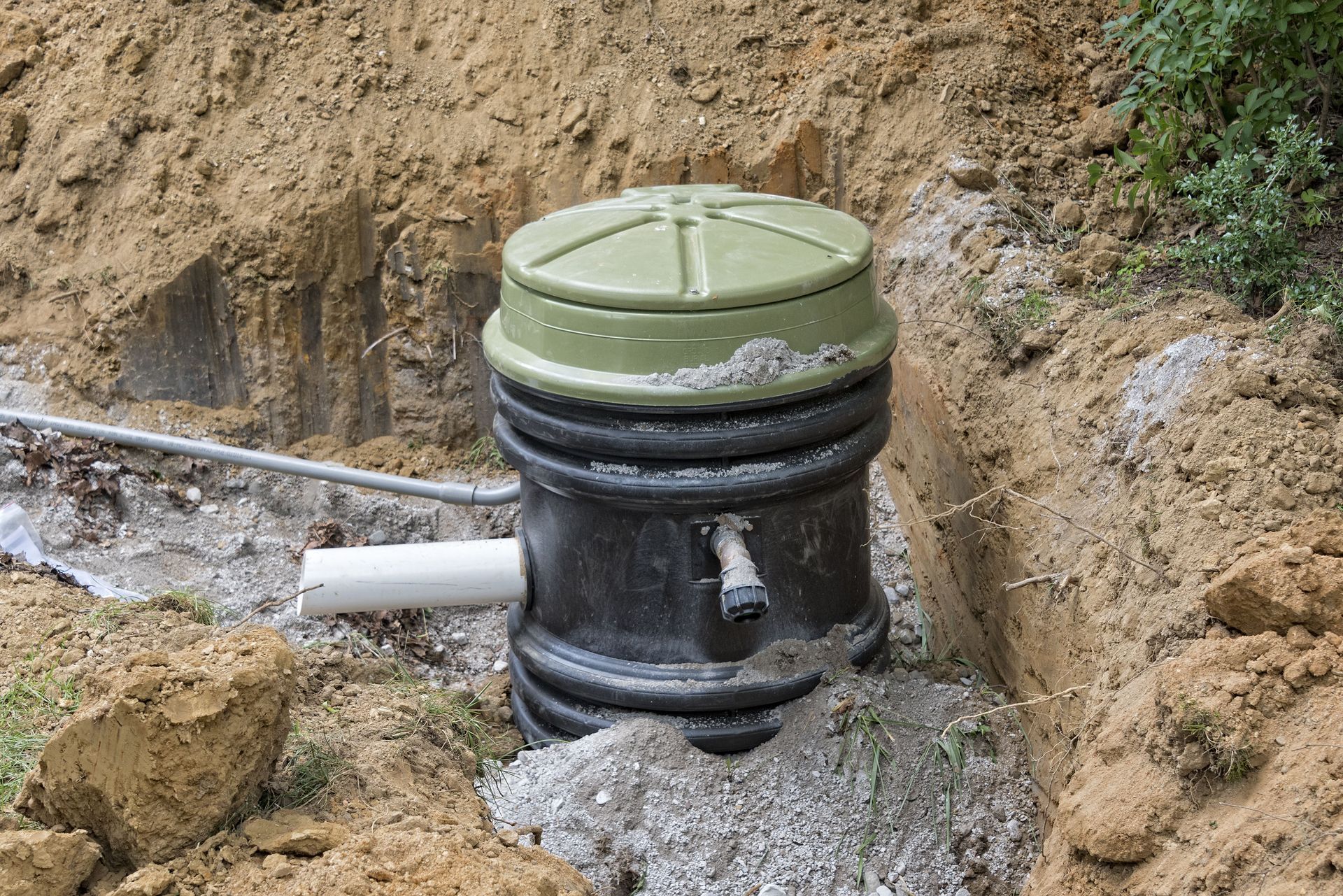
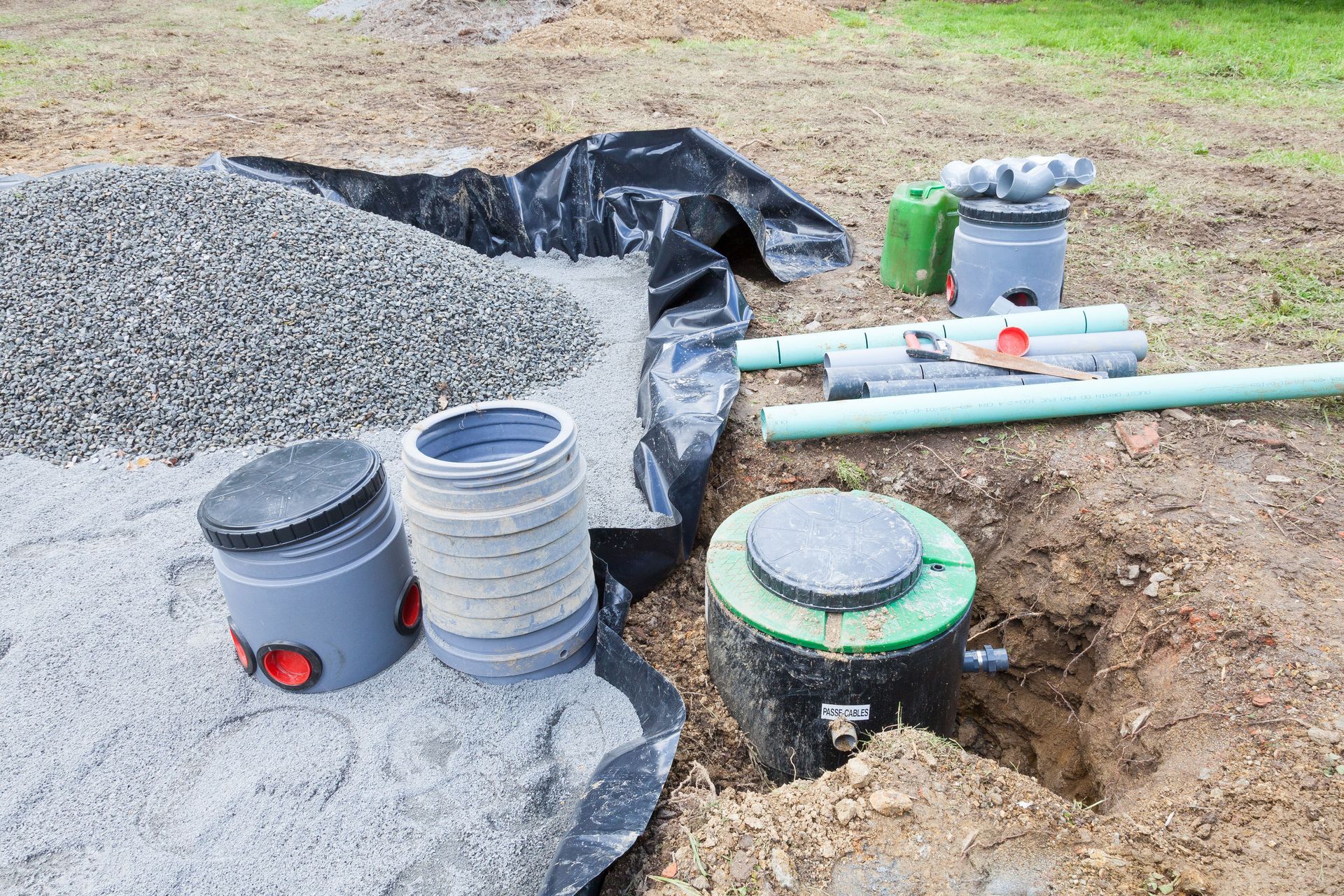
Managing a private wastewater management system requires a clear understanding of how daily domestic habits directly influence subterranean infrastructure. Unlike municipal sewage networks that continuously channel liquid waste away toward centralized municipal treatment plants, an on-site waste disposal setup operates as a self-contained ecological ecosystem. Wastewater generated from household sinks, bathtubs, laundry appliances, garbage disposals, and toilets flows directly into an underground holding vessel designed to separate solid matter from liquid effluent. Inside this underground container, heavier solid waste settles toward the bottom to form a dense sludge layer, while lighter oils, cooking fats, and soapy scum float upward to form a surface scum barrier. Clarified liquid effluent then flows outward into a subterranean soil absorption area for natural purification.
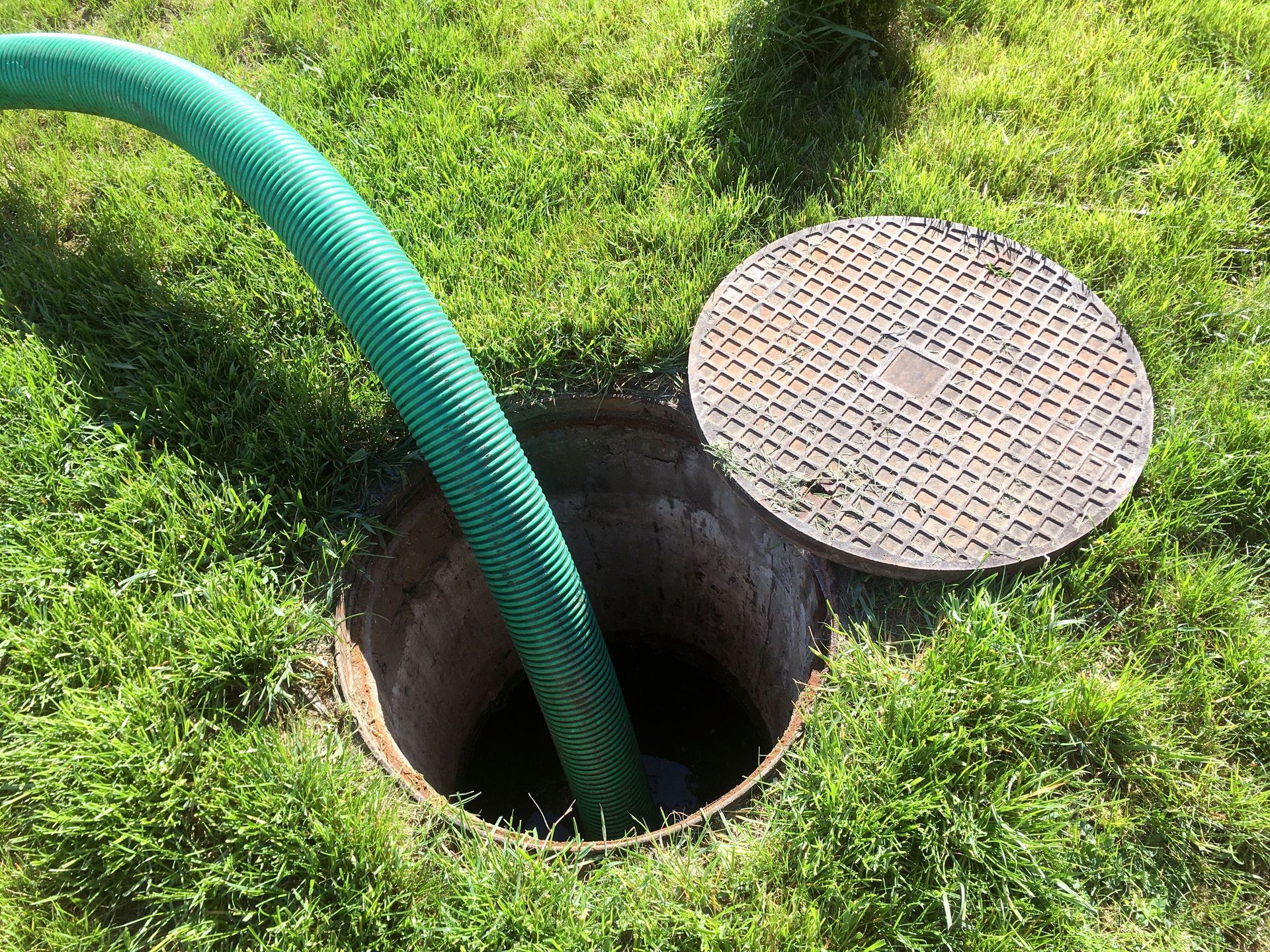
The delicate biological balance inside this subterranean treatment vessel depends directly upon the total volume and physical characteristics of liquid entering the collection system each day. Sudden fluctuations in domestic water usage disrupt natural solid separation, accelerate sludge accumulation, and strain biological decomposition processes. When water consumption spikes unexpectedly due to lifestyle changes, home additions, or daily routine shifts, solid waste risks being flushed directly into delicate soil absorption trenches. Understanding the direct connection between daily liquid consumption patterns and solid sludge accumulation empowers homeowners to protect their private wastewater infrastructure with proactive care. Scheduling routine septic tank pumping removes accumulated solid sludge, restores essential holding capacity, protects surrounding absorption soils from premature clogging, and extends the overall operational lifespan of your entire waste disposal system.
Increasing Household Occupancy and Daily Wastewater Generation
Welcoming new residents into a home fundamentally alters daily liquid generation patterns and significantly accelerates solid waste accumulation inside underground holding tanks. Whether adding a newborn infant, accommodating moving adult children, hosting long-term houseguests, or renting out extra bedroom spaces, increased occupancy directly increases daily toilet flushes, shower volume, dishwasher runs, and laundry cycles. Every additional individual living under a roof contributes significant organic matter and heavy liquid volume to the waste stream.
When daily liquid flow increases beyond baseline design estimates, wastewater travels through the main holding vessel at an accelerated pace, drastically reducing essential hydraulic retention time. Without sufficient time for gravity separation, heavy solid waste remains suspended in liquid rather than settling to the tank floor, while buoyant scum fails to float to the top. As a result, semi-solid particles spill outward into sensitive drainfield soil pipes, causing severe biological clogging and premature drainage failure. Scheduling more frequent septic tank pumping offsets elevated daily occupancy, removing dense solid accumulation before liquid surge forces untreated waste into delicate soil absorption trenches.
Upgrading High-Volume Home Appliances and Water-Intensive Fixtures
Modernizing residential spaces with high-volume plumbing fixtures or continuous-duty appliances can inadvertently compromise subterranean wastewater treatment performance. Installing multi-head rain showers, oversized soaking tubs, high-capacity washing machines, or continuous garbage disposals introduces massive surges of liquid and ground solid waste into underground containment systems. Garbage disposals, in particular, pulverize food scraps into fine organic slurry that resists rapid gravity settling and increases solid sludge buildup at accelerated rates.
Large liquid discharges from oversized bathtubs or high-capacity laundry cycles create sudden hydraulic surges that agitate settled sludge layers, stirring up bottom sediment and pushing suspended solids into outlet piping. Additionally, excessive organic debris from kitchen waste disposals accelerates sludge accumulation, requiring far more frequent maintenance cleanings than standard domestic usage demands. Utilizing timely septic tank pumping cleans out dense food solids and accumulated organic matter, preventing heavy appliance discharges from driving suspended debris into surrounding absorption soils.
Shift in Work Routines and Elevated Daytime Water Consumption
Transitioning from traditional outside employment to remote work schedules or home-based business operations fundamentally shifts daily liquid usage dynamics inside residential spaces. When household members remain on site throughout daytime hours, water consumption spreads continuously across the morning, afternoon, and evening. Increased day-long usage of kitchen sinks, bathroom facilities, and laundry appliances replaces previous low-volume daytime periods, maintaining constant hydraulic pressure on underground treatment vessels.
This continuous influx of liquid wastewater eliminates crucial resting periods required for biological bacteria to digest organic solids and for heavy sludge layers to settle undisturbed. Constant fluid movement inside the holding chamber keeps fine particles suspended, increasing the risk of solid carryover into delicate drainfield soil layers. Routine septic tank pumping addresses elevated daytime water generation, removing stubborn solid buildup and ensuring that continuous working-from-home routines do not compromise your underlying subterranean infrastructure.
Adding High-Efficiency Fixtures and Reducing Daily Flow Volumes
Implementing water conservation strategies through high-efficiency fixtures, low-flow toilets, and smart laundry equipment yields substantial benefits for underground waste disposal systems. Lowering total daily liquid volume reduces hydraulic velocity inside holding vessels, providing extended retention time for solid waste to separate cleanly into sludge and scum layers. This gentle liquid flow prevents internal turbulence, protecting delicate soil absorption trenches from suspended solid carryover and extending overall system longevity.
However, dramatically reducing liquid flow changes the concentration ratio of solids to liquids inside underground containment chambers. Higher solid concentration requires active bacterial decomposition and careful monitoring to prevent thick sludge layers from rising toward outlet baffles. Understanding total national usage highlights how crucial proper maintenance remains across millions of properties. According to 24Market Reports, in the United States alone, approximately one in five households relies on a septic system for wastewater treatment, representing over sixty million people. Coordinating regular septic tank pumping ensures that concentrated solid sludge is thoroughly cleared out, keeping low-flow systems running cleanly, safely, and efficiently.
Using Harsh Household Chemicals and Disrupting Natural Bacterial Balance
Altering daily cleaning habits, introducing heavy chemical cleaners, or using excessive antibacterial products directly damages the living biological ecosystem operating inside holding vessels. Under normal conditions, beneficial anaerobic bacteria consume organic waste, breaking down solid matter and reducing overall sludge volume naturally. Exposing these delicate microscopic organisms to harsh chemical bleach, synthetic disinfectants, chemical drain openers, or heavy medication waste destroys essential bacterial colonies rapidly.
When beneficial bacterial populations die off, organic solids cease decomposing naturally, causing sludge and scum layers to accumulate far faster than anticipated. Without biological breakdown, solid waste fills containment chambers rapidly, leading to foul sewer gas odors, slow interior drains, and catastrophic drainfield failure. Scheduling professional septic tank pumping flushes out chemical-laden wastewater, removes heavy undecomposed solids, and allows fresh biological bacterial colonies to re-establish healthy natural waste decomposition cycles.
Adapting Maintenance Schedules for Seasonal Usage and Property Vacancy
Managing seasonal properties, vacation rentals, or homes subject to prolonged vacancy periods presents unique waste treatment challenges compared to continuously occupied residences. Vacation homes experience extreme fluctuations in liquid volume, enduring months of complete inactivity followed by sudden surges of maximum occupancy during holiday periods. Extended vacancy causes internal sludge layers to compact and harden into dense, stubborn deposits along tank floors and baffle walls.
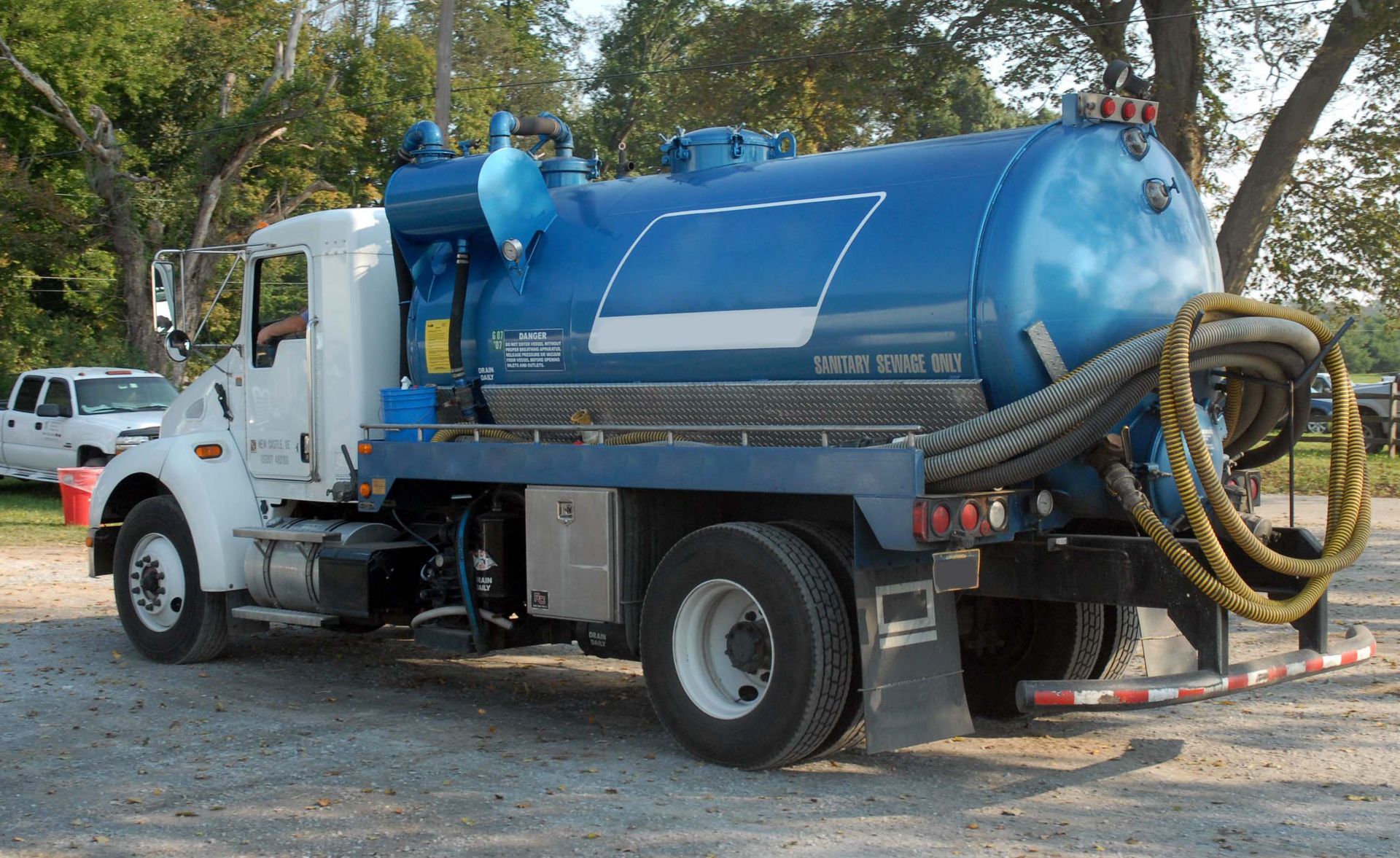
At Peninsula Septic Service Inc, we are deeply committed to protecting your home environment, preserving your subterranean infrastructure, and delivering superior waste management solutions through expert technical craftsmanship, commercial-grade pumping equipment, and dedicated customer care. Our team of experienced wastewater specialists brings extensive regional expertise, advanced vacuum extraction equipment, and meticulous attention to detail to every residential and commercial maintenance project we execute across our community. We take immense pride in evaluating your unique household usage patterns, inspecting internal tank baffles, measuring sludge accumulation levels, and executing complete waste extractions that restore total system holding capacity and hydraulic performance. Contact us today to schedule your comprehensive system evaluation and discover the true value of working with dedicated local septic specialists.