August 3, 2026
A septic system is responsible for managing wastewater and protecting the health and comfort of a property. When problems develop, homeowners may wonder whether a repair can solve the issue or whether the entire system needs to be replaced. Making that decision requires more than reacting to a slow drain, unpleasant odor, or wet patch in the yard. The age of the system, the source of the problem, the condition of the tank, and the drainfield can all affect the right solution. According to the EPA, having a septic system pumped every three to five years is generally much more cost-effective than waiting until a failed system requires replacement. Understanding the differences between repair and replacement can help property owners determine which septic tank services may be appropriate for their situation.
Identify the Source of the Problem
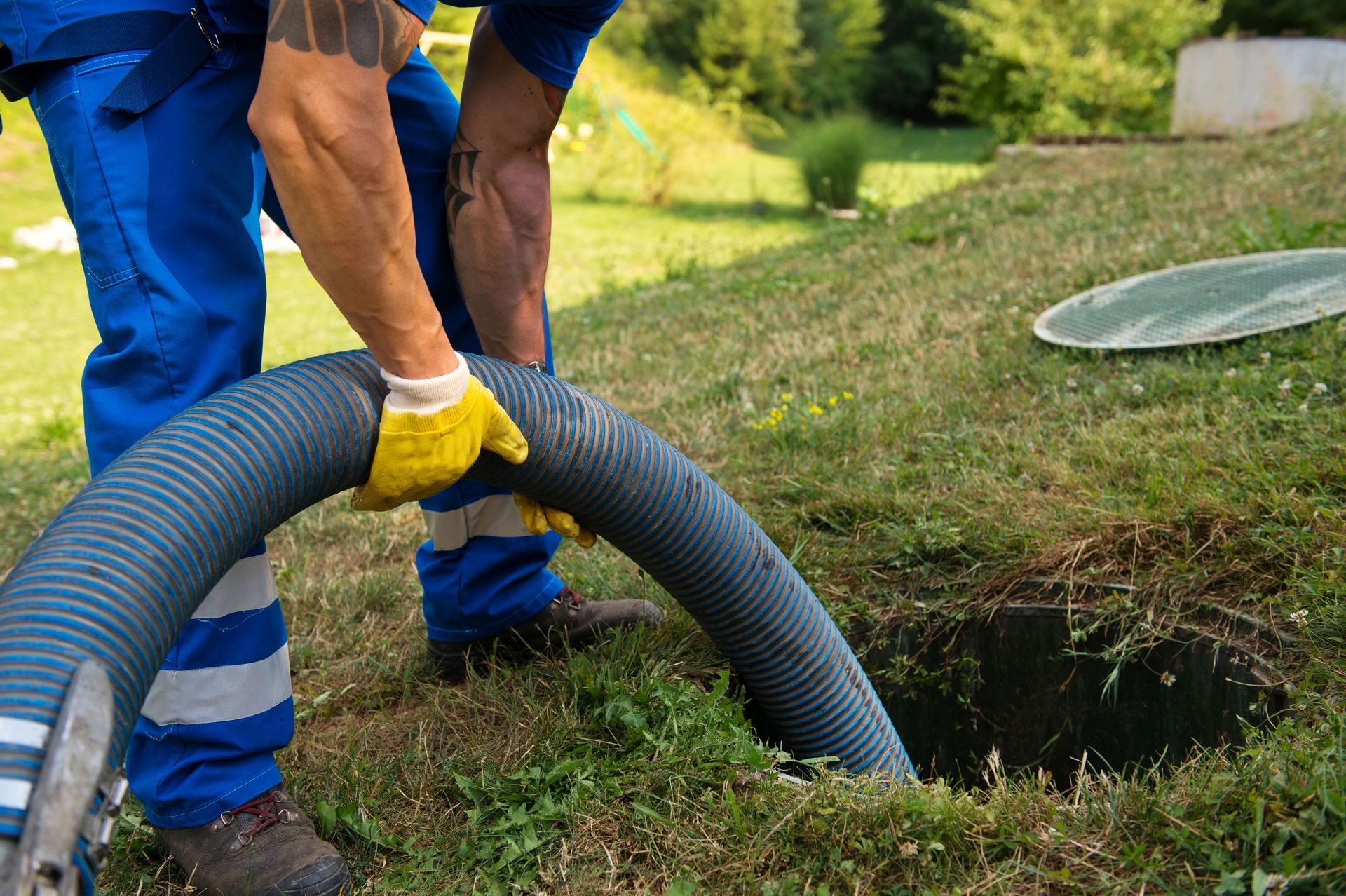
The first step in determining whether a system needs repair or replacement is identifying what is actually causing the problem. Slow drains may result from a blockage in the plumbing rather than a failure of the septic system itself. Foul odors can also be caused by issues involving the tank, drainfield, plumbing, or ventilation. A septic system repair may be appropriate when the problem is limited to a damaged component or isolated issue. Professionals may inspect the tank, inlet and outlet pipes, baffles, distribution components, and surrounding soil. They may also evaluate the drainfield to determine whether wastewater is being absorbed properly. Identifying the source of the problem prevents homeowners from assuming that a complete replacement is necessary. A proper inspection provides the information needed to choose a more practical and appropriate solution.
Look for Signs of a Repairable Issue
Some septic problems can be addressed without replacing the entire system. A damaged pipe, broken baffle, faulty pump, or other isolated component may be repairable depending on the condition of the surrounding system. Homeowners may notice symptoms such as slow drains, sewage odors, or wastewater backups when a component begins to fail. These warning signs should not be ignored because a small issue can become more serious if wastewater continues to move improperly. A septic system repair can often address a specific failure while preserving other parts of the system that remain functional. Professionals may use inspections and diagnostic methods to determine whether the problem is limited in scope. The age and condition of the system will also influence whether repairing one component makes financial sense. Addressing repairable problems early can help prevent additional damage and more extensive service needs.
Evaluate the Age of the System
The age of a septic system is an important consideration when comparing repair and replacement options. Older systems may have components that are worn, outdated, or nearing the end of their useful service life. Repairing one problem may not be the most practical option if several other components are also likely to fail soon. A newer system with one isolated issue may be a stronger candidate for targeted repairs. Professionals can evaluate the condition of the tank, pipes, drainfield, and other components before making recommendations. The system’s maintenance history can also provide valuable information about how well it has been cared for over time. Regular pumping and inspections may help extend the service life of a properly designed system. Considering the system’s overall condition rather than focusing on a single failure can help homeowners make a more informed decision.
Inspect the Drainfield Condition
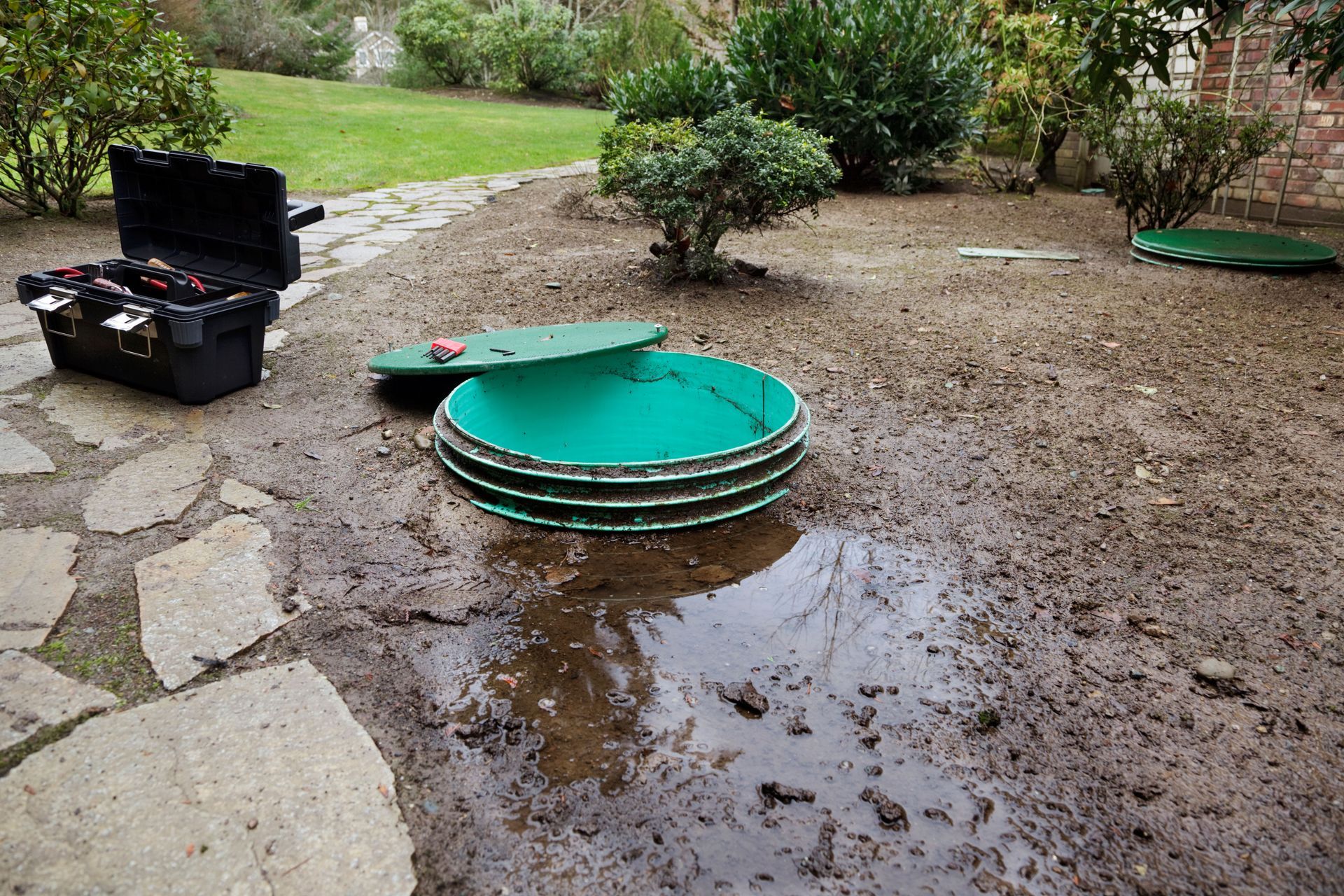
The drainfield is one of the most important parts of a septic system because it receives and treats wastewater after it leaves the tank. When the soil becomes unable to absorb wastewater properly, serious problems may develop around the property. Standing water, unusually wet areas, sewage odors, or unusually healthy patches of grass may indicate possible drainfield concerns. A septic system repair may not be enough if the drainfield has experienced widespread failure or severe soil problems. However, a professional evaluation is necessary before determining that replacement is required. The condition of the soil, wastewater flow, system design, and cause of the failure can all affect available solutions. In some situations, correcting another problem may help protect or restore the function of the drainfield. A thorough evaluation helps determine whether the issue involves a repairable component or a larger system failure.
Consider the Cost of Ongoing Repairs
The cost and frequency of repairs should also be considered when evaluating whether replacement may be more practical. A single repair may be reasonable when the rest of the system is in good condition. Repeated failures, however, may indicate that multiple components are reaching the end of their service life. Continually repairing separate problems can eventually become more expensive than investing in a properly planned replacement. Homeowners should consider both immediate costs and the potential for future service needs. A professional can help explain whether a repair is likely to provide a lasting solution or only address a temporary problem. The decision should also account for the condition of the tank, drainfield, plumbing, and other system components. Comparing the long-term outlook of repair and replacement can help property owners make a more practical choice.
Maintain the System Before Failure
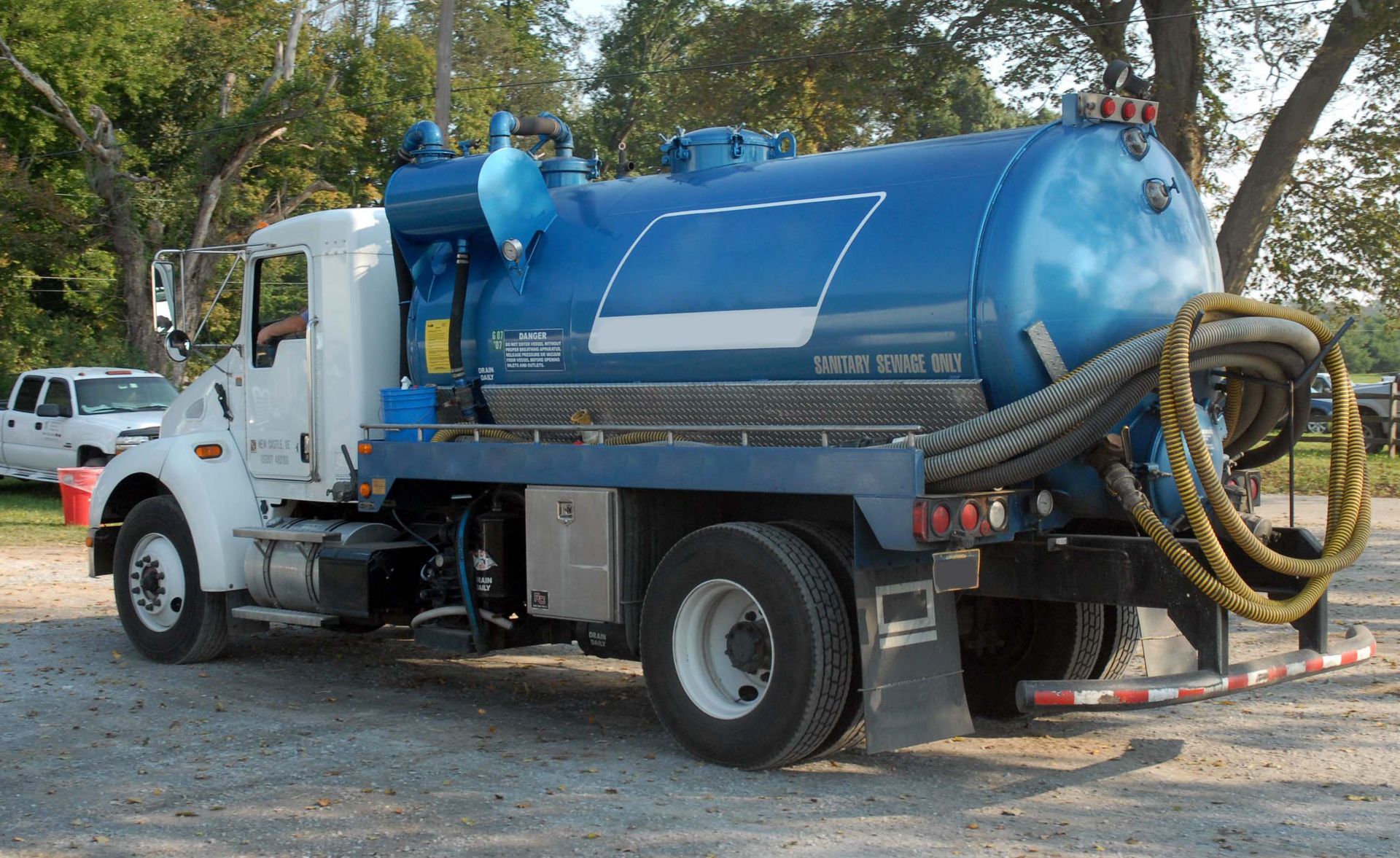
Preventive maintenance can play an important role in reducing the risk of major septic problems. Regular pumping removes accumulated solids that can otherwise move into the drainfield and interfere with proper wastewater treatment. According to the EPA, pumping a septic system every three to five years can be significantly more cost-effective than waiting for a failed system that requires replacement. The ideal pumping schedule may vary depending on household size, tank capacity, wastewater volume, and other factors. Homeowners should also avoid flushing materials that can damage the system or contribute to unnecessary blockages. Conserving water can reduce the amount of wastewater entering the tank at one time. Routine inspections can help identify developing problems before they cause extensive damage. Consistent maintenance may help extend the life of the system and reduce the likelihood of an unexpected failure.
Recognize When Replacement Is Necessary
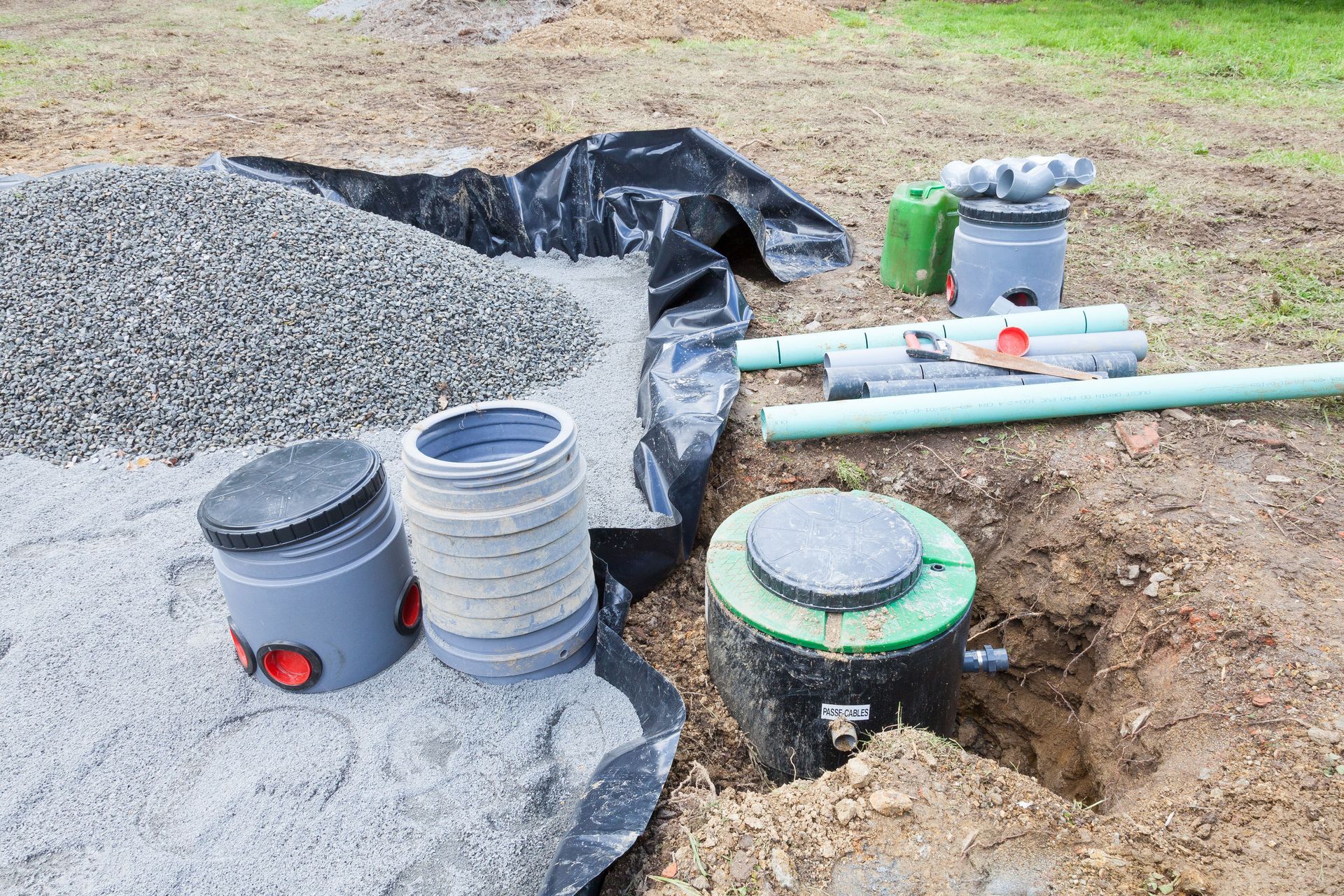
Some septic systems are too severely damaged or outdated for a simple repair to provide a dependable solution. A septic system repair may not be appropriate when the tank has extensive structural damage or the drainfield has failed beyond practical restoration. Replacement may also be necessary when the existing system no longer meets current property needs or applicable requirements. Major changes to the property, such as additions or increased occupancy, may affect the system’s capacity requirements. Professionals can evaluate the system and determine whether the existing design can continue serving the property effectively. Replacement planning may involve soil evaluation, system design, permitting, installation, and coordination with local requirements.
Avoid Delaying Necessary Service
Ignoring septic warning signs can allow a manageable problem to become a much larger and more expensive failure. Slow drains, sewage odors, standing wastewater, and unusually wet areas should all receive prompt attention. A septic system repair may be more straightforward when the problem is addressed before wastewater damages the drainfield or surrounding property. Delays can also create unpleasant conditions and potential sanitation concerns for household members and visitors. Homeowners should avoid using excessive water when a system is showing signs of trouble. They should also avoid driving heavy equipment over the drainfield or attempting unapproved repairs. Contacting a qualified professional can help determine the cause of the issue and identify appropriate next steps. Prompt service can make it easier to protect the system and limit the extent of potential damage.
Choose the Right Septic Tank Services
Choosing the right service provider is an important part of managing septic system problems. A qualified company can inspect the system, identify the source of the issue, and explain whether repair or replacement may be appropriate. Homeowners should look for professionals who can provide services that address both immediate problems and long-term maintenance needs. A septic system repair may require careful diagnosis because different symptoms can have several possible causes. Professional experience can help ensure that recommendations are based on the actual condition of the system rather than assumptions.
Whether you are dealing with warning signs, planning routine maintenance, or concerned about an aging system, professional guidance can help you understand your options. Do not wait for a minor septic problem to become a major property issue. Contact Peninsula Septic Service today to schedule service and learn how professional septic care can help protect your system.